My Visit to Evertiq Expo Tampere 2026 – A Day Inside Finland’s Electronics Industry
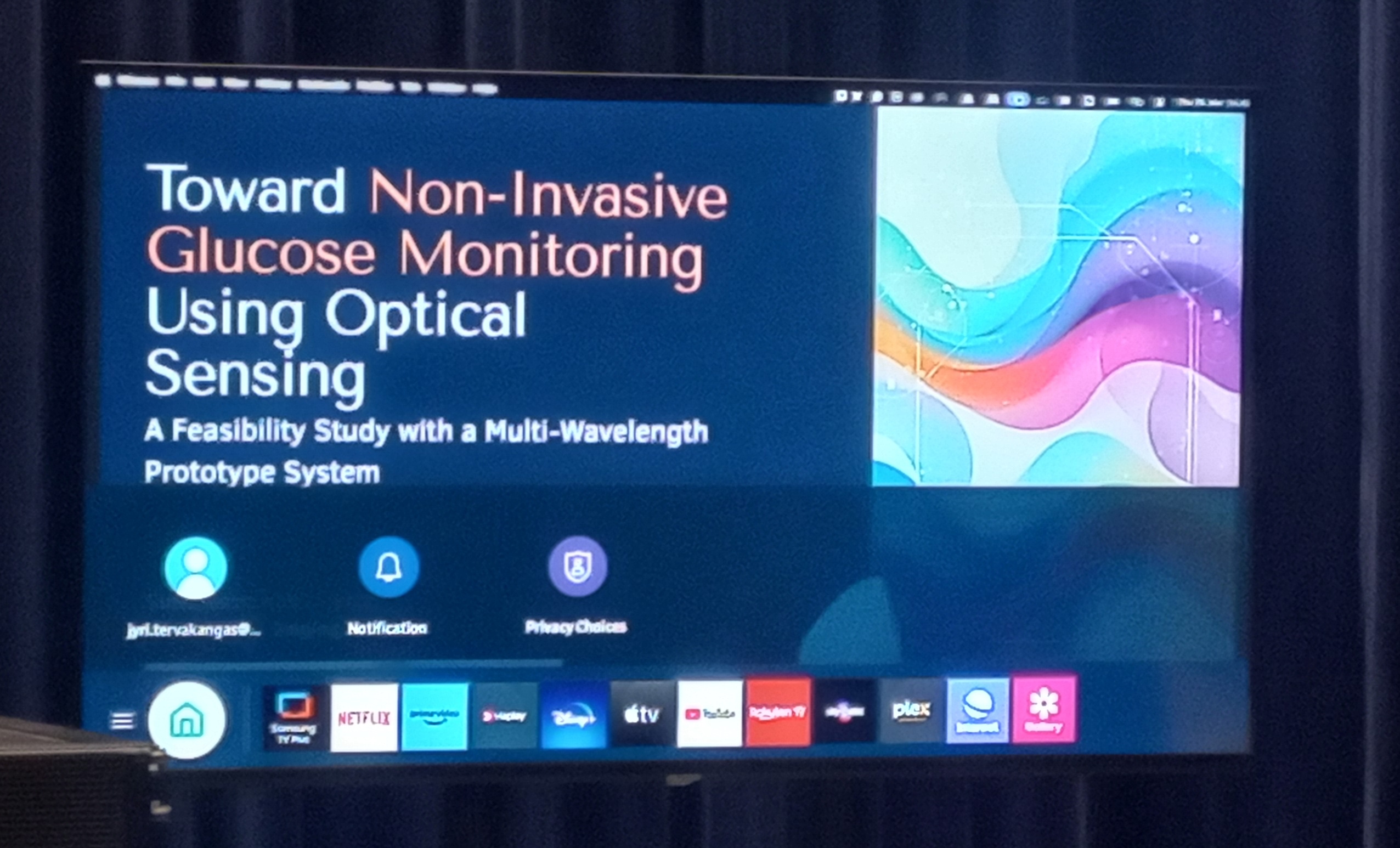
Alongside the exhibition floor, there was a full conference program running throughout the day with presentations from real industry professionals. These weren’t polished marketing talks – they were practical, technical, and honest. Topics ranged from semiconductor date codes and obsolescence management to modular robotics in manufacturing, PCB miniaturization, and European EMS business strategy. One session I found particularly interesting was on evaluating electric motor efficiency – not glamorous on paper, but genuinely eye-opening when you realize how much energy is wasted in systems we consider “efficient.” There was also a talk on SCIP database compliance for electronics manufacturers, which is increasingly relevant for anyone placing products on the EU market.
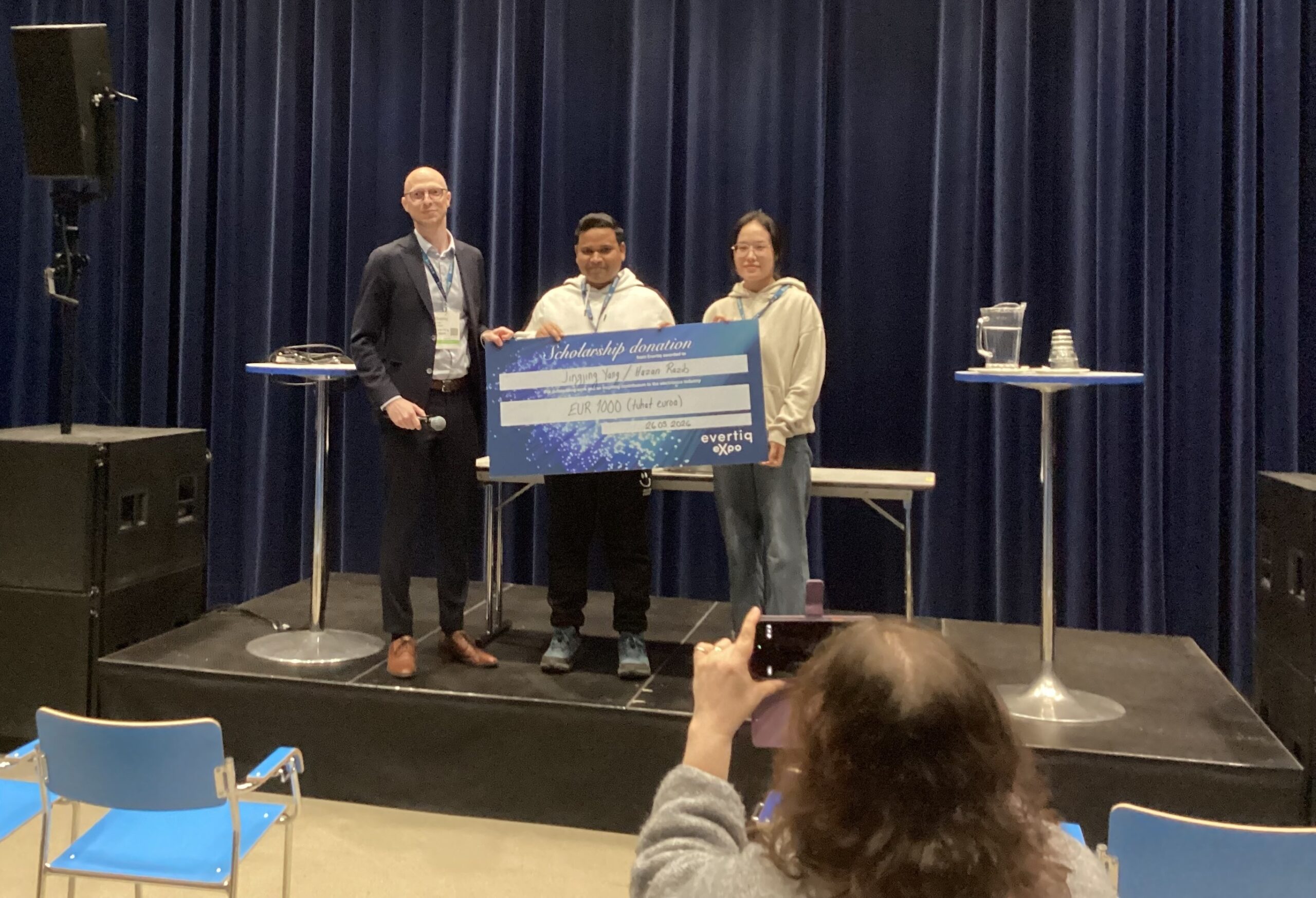
The afternoon ended on a warm note with a session on the Evertiq Scholarship – more on that in a moment.
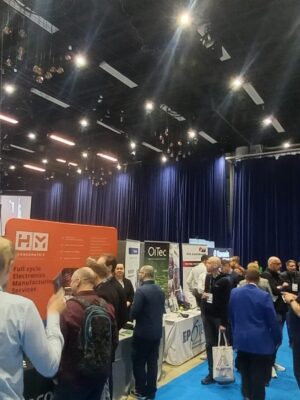
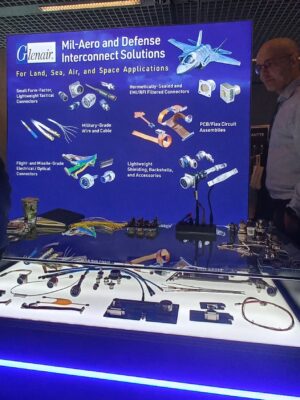
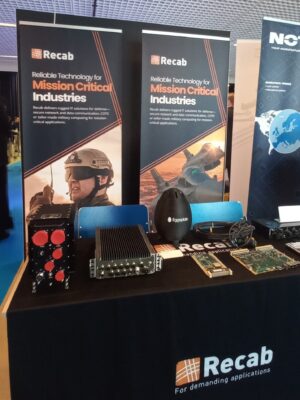
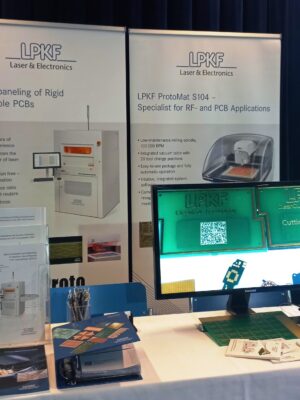


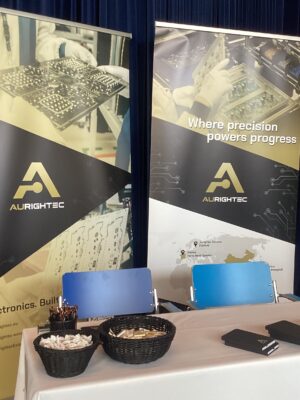

The Exhibition Floor: More Companies Than I Expected
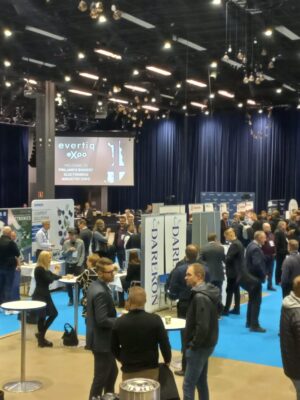
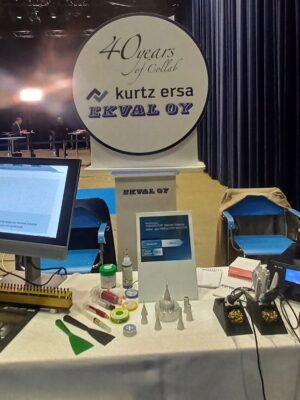
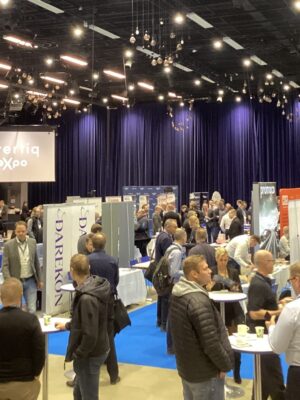
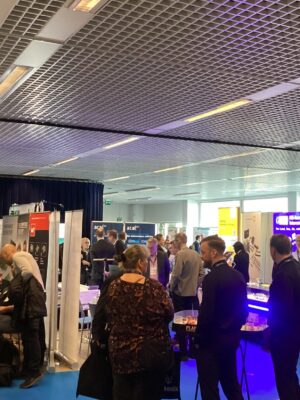
Over 80 exhibitors were present so the floor was busy but not crowded. I spent most of the day going from one booth to another, asking questions, and getting a first hand experience of what these companies basically do. The variety was amazing covering distributors, manufacturers, production specialists and the geographic spread was wide too. Companies from Sweden, Germany, Estonia, Latvia, Poland, the US etc., and of course Finland were all represented.
In broad terms, the components and solutions on display touched almost every industry you can think of from consumer electronics to defence, aerospace, automotive, and telecommunications.
I came in with a specific lens, though. My background is in bioinformatics, and my interest sits at the crossroads of medical devices and biotechnology so I was quietly hoping to find something relevant to lab equipment or life sciences instrumentation. At each booth I visited, I made a point of asking the same question: are you involved in any way with medical devices or biotechnology lab equipment? Things like components for X-ray machines, DNA sequencing systems, imaging instruments; that kind of applications. The answers varied, but the conversations were always worth having.
One booth that genuinely caught my attention was Elma Electronic. They produce high-performance computing systems, and what interested me specifically was their work integrating AI into their hardware platforms. For bioinformatics work where you’re often dealing with large genomic datasets, complex pipelines, and serious processing demands having reliable, AI-capable computing infrastructure matters more than people outside the field might realize. I asked them about applicability to life sciences and research environments, and the conversation was a good one. It’s the kind of hardware that doesn’t get talked about much in biotech circles, but probably should.
I also came across a company I regret I didn’t catch the name that supplies components for microscopy systems. Microscopy is so central to modern biology and clinical diagnostics that even a brief conversation about the components behind those instruments felt relevant and worth noting.
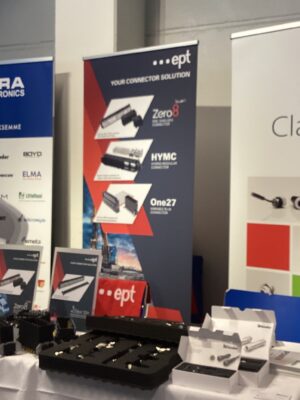
Beyond those, I visited many other booths component distributors supplying everything from basic passives to specialized chips, PCB manufacturers working at impressive scales, and companies focused on connectors and power systems. The floor covered a wide enough range that whether your world is defence, electronics or medical-grade assemblies, there was almost certainly someone there working in your space.